Creating a bedroom environment that fosters restful sleep is not only about choosing the right mattress or pillow. The overall design of your bedroom plays a significant role in the quality of your sleep. From the colours on your walls to the arrangement of your furniture, every detail can either support or hinder your ability to achieve a deep and restorative sleep. In this post, we’ll explore four key design elements that can help enhance your sleep: blackout curtains, colour palettes, natural fabrics and design elements, and strategic furniture placement.
The Importance of Darkness: Blackout Curtains
When it comes to sleep, darkness is essential. Our bodies are naturally programmed to follow the circadian rhythm, a biological process that responds to the cycle of light and dark. As the sun sets and natural light begins to fade, our bodies start to produce melatonin, the hormone that induces sleep. However, any artificial light that enters your bedroom during the night—whether from street lamps, car headlights, or even the moon—can disrupt this process, leading to interrupted sleep or difficulty falling asleep in the first place.
Blackout curtains are an effective solution to this problem. These heavy drapes are designed to block out nearly all external light, creating a dark environment that mimics night-time conditions, even if it’s broad daylight outside. The benefit of blackout curtains isn’t just about keeping out the light; they also help to reduce noise pollution, which can be just as disruptive to sleep as light. The thick, dense material of blackout curtains can muffle sounds from outside, making your bedroom a quieter, more peaceful place to rest.
If the idea of heavy curtains doesn’t appeal to you, there are other options available. Blackout shades, which can be Roman, cellular, or solar, offer a sleeker, more modern alternative. These can be lined with materials such as mylar or foil to ensure that no light seeps through. For those who prefer a lighter, airier feel in the bedroom, a second layer of sheer curtains or blinds can provide additional light control without sacrificing the aesthetic of the room.
The key is to ensure that when you’re ready to sleep, your bedroom can be as dark as possible. This simple change can make a significant difference in the quality of your sleep, helping you to fall asleep faster and stay asleep longer.
Choosing the Right Palette: The Power of Colour in Sleep
Colour psychology is a fascinating field, particularly when it comes to the design of sleep environments. The colours you choose for your bedroom walls, bedding, and décor can have a profound impact on your mood, stress levels, and ultimately, your sleep quality. While personal preference plays a role, certain colours are universally known to promote relaxation and restfulness, making them ideal choices for a bedroom.
Blues and greens are top choices for a sleep-enhancing palette. Blue, in particular, is often associated with calmness and tranquillity, making it an excellent option for the bedroom. Soft, pastel blues are especially effective, as they are gentle on the eyes and create a soothing atmosphere. Similarly, green, which is reminiscent of nature, has a relaxing effect on both the mind and body. A pale green or sage hue can bring a touch of the outdoors inside, helping to create a serene space that’s conducive to sleep.
It’s also important to consider the psychological impact of warm colours like red, orange, and yellow. While these colours can be invigorating and energising, they can also be overstimulating if used in large quantities in the bedroom. If you love warm tones, consider using them sparingly as accent colours. For example, a deep red throw blanket, a few orange pillows, or a yellow rug can add warmth and interest to the room without overwhelming the senses.
Neutral colours, such as beige, grey, and soft whites, are also popular choices for bedrooms. These colours are versatile and can create a clean, calming environment that promotes relaxation. They pair well with both cool and warm accents, allowing you to personalise your space while keeping the overall tone restful.
When choosing a colour palette, it’s not just about the walls—consider how the colours of your bedding, curtains, and even furniture will contribute to the overall mood of the room. The goal is to create a harmonious space where every element works together to foster rest and relaxation.
Embracing Nature: Natural Fabrics and Design Elements
Incorporating natural elements into your bedroom design can significantly enhance the quality of your sleep. This concept, often referred to as biophilic design, is based on the idea that humans have an innate connection to nature. By bringing elements of the natural world into your bedroom, you can create a space that feels more peaceful and grounded, which in turn can improve your sleep.
Natural fabrics, such as cotton, linen, and wool, are excellent choices for bedding and curtains. These materials are not only soft and comfortable, but they also allow for better airflow, which can help regulate your body temperature as you sleep. Synthetic fabrics, on the other hand, can trap heat and moisture, leading to discomfort and disturbed sleep. When choosing bedding, look for high-quality, breathable materials that will keep you cool in the summer and warm in the winter.
In addition to natural fabrics, consider incorporating other natural elements into your bedroom design. Houseplants, for example, are a wonderful way to bring a touch of nature indoors. Not only do they add colour and life to your space, but certain plants, such as lavender and jasmine, are known for their calming effects and can even help improve air quality. Plants like the snake plant and aloe vera release oxygen at night, which can enhance the air quality in your bedroom, making it easier to breathe and sleep more deeply.
Another way to incorporate natural elements is through artwork. Photographs or paintings of landscapes, forests, or other natural scenes can have a calming effect on the mind, similar to the feeling you get after spending time outdoors. These visual reminders of nature can help reduce stress and create a more tranquil environment in your bedroom.
Wooden furniture and natural stone accents are other ways to bring nature into your bedroom. The texture and warmth of wood can add a cosy, grounding element to the room, while stone can add a sense of solidity and permanence. Together, these materials can help create a space that feels both luxurious and serene, making it the perfect place to unwind and prepare for sleep.
Optimising Layout: The Strategic Placement of Furniture
The layout of your bedroom can have a significant impact on your sleep quality. A well-arranged room feels more spacious and calming, while a cluttered or poorly designed space can lead to feelings of restlessness and anxiety. When designing a bedroom with sleep in mind, it’s important to consider both the placement of your furniture and the overall symmetry of the room.
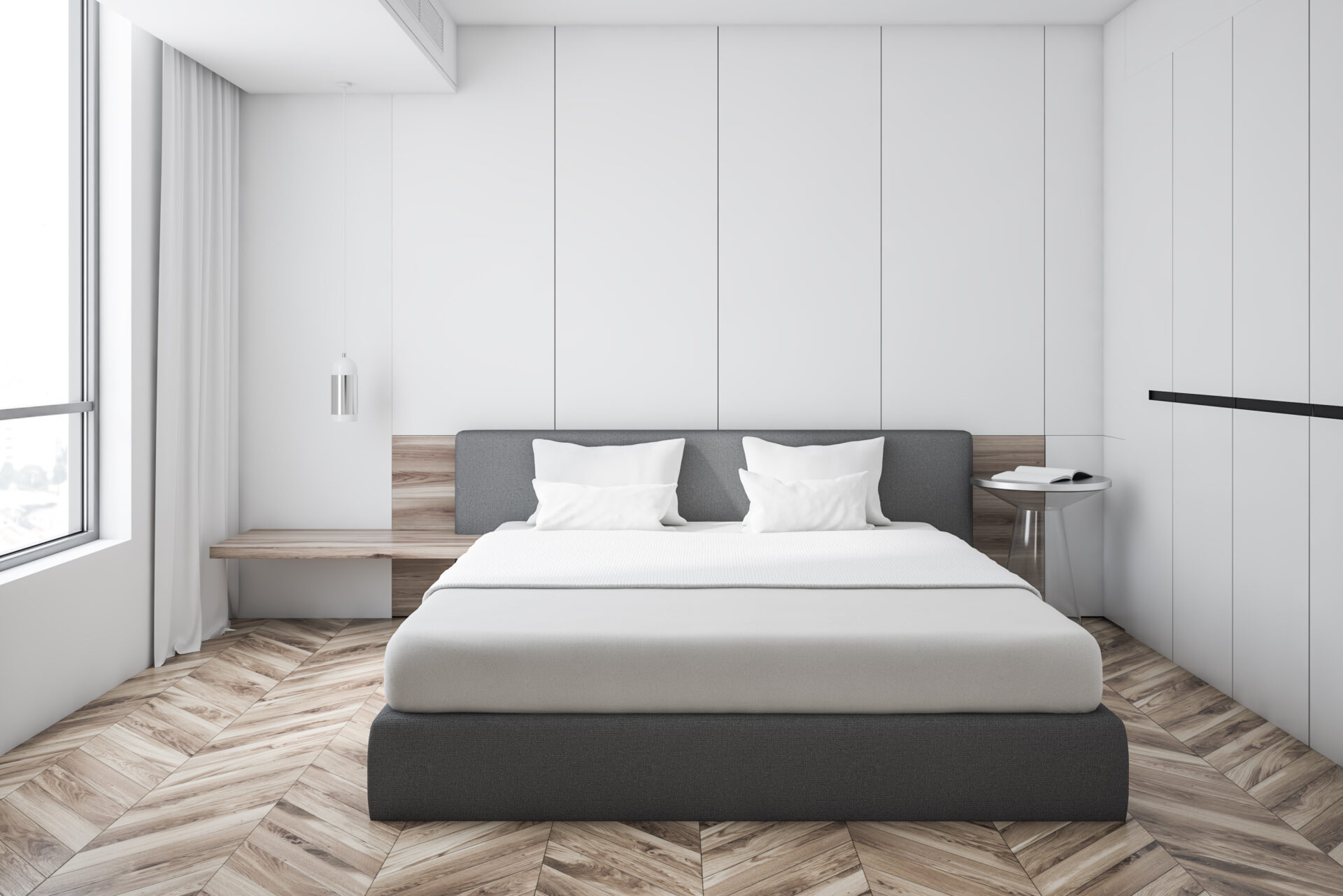
The bed is the most important piece of furniture in your bedroom, and its placement can affect how well you sleep. Ideally, your bed should be positioned against the largest wall in the room, away from windows and doors. This placement creates a sense of security and stability, which can help you relax more fully as you prepare for sleep. In rectangular or oversized rooms, you may need to balance the bed with a large chair, sofa, or other furniture to create a more harmonious layout.
In large, square rooms, consider centering the bed in the space. This layout can create a more balanced, symmetrical feel, which is known to have a calming effect on the mind. Symmetry in design is often associated with order and tranquillity, both of which are conducive to a restful environment. To further enhance this effect, consider placing matching nightstands on either side of the bed, along with identical lamps or other décor items.
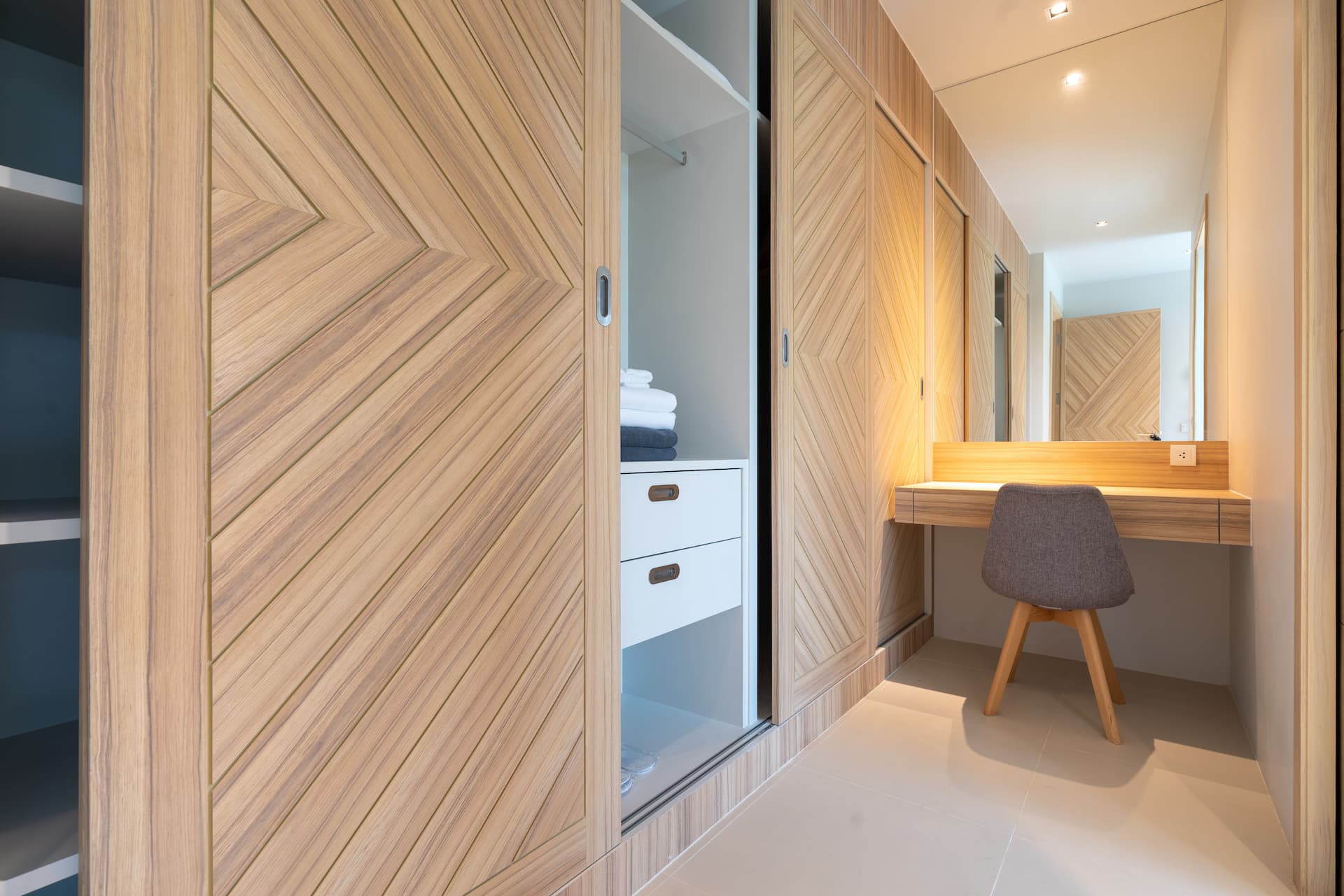
Storage is another important consideration in bedroom layout. Clutter can be a major source of stress, which is the last thing you want in a space designed for sleep. Ensure that your bedroom has adequate storage solutions to keep clutter out of sight. Built-in wardrobes, under-bed storage, and well-organised drawers can help keep your space tidy and serene.
Finally, consider the flow of the room. Your bedroom should be easy to navigate, with a clear path from the door to the bed. Avoid placing large pieces of furniture in a way that obstructs this path, as it can create a sense of disarray. The goal is to create a space that feels open and inviting, where every element is arranged to promote relaxation and ease.
The Role of Temperature in Sleep Quality
Temperature is a crucial yet often overlooked factor in creating the perfect sleep environment. Bedrooms that are too hot or too cold can significantly disrupt your ability to fall and stay asleep. The optimal temperature for sleep is typically between 16°C and 18°C, allowing your body to maintain its natural thermoregulation process throughout the night. Overheating can lead to restlessness and frequent waking, while a room that’s too cold may cause muscle tension and discomfort. To keep your bedroom at the ideal temperature, consider breathable bedding made from natural fibres like cotton or linen, and use seasonal duvets for added comfort. In winter, a programmable radiator or heated blanket can help maintain warmth without overheating. During warmer months, blackout blinds paired with breathable sheets and good ventilation can prevent the space from becoming stuffy. A consistent, comfortable temperature is essential for uninterrupted, high-quality sleep.
Soundscaping: Minimising Noise for Deeper Rest
Noise pollution is a common sleep disruptor, especially in urban areas where traffic, neighbours, or even internal household sounds can interfere with rest. While blackout curtains can help reduce outside noise, a more holistic approach to soundproofing can greatly improve your bedroom’s sleep potential. Start by evaluating where noise enters the room—windows, doors, and thin walls are typical culprits. Heavy, lined curtains and draught excluders can reduce some of this impact, while rugs or carpets help absorb sound and reduce echo. For consistent ambient noise, consider introducing a white noise machine or a low-volume soundscape—such as rainfall or ocean waves—that masks disruptive sounds without drawing attention to itself. Even something as simple as a quiet ceiling fan can provide a steady hum that aids relaxation. Controlling the auditory environment is key to helping your brain disconnect from distractions and ease into a deeper, more restorative sleep cycle.
The Psychological Impact of Minimalism
Clutter doesn’t just take up physical space—it creates mental noise. Bedrooms filled with visual distractions can make it harder to relax, impacting your ability to fall asleep and stay asleep. Embracing minimalist design principles doesn’t mean your bedroom has to be cold or sterile; rather, it’s about making intentional choices. Keep only the items that contribute to calm and comfort, and remove anything that doesn’t serve your sleep environment—like work documents, excessive electronics, or visual clutter. At Studio 54, we often recommend built-in storage like custom wardrobes to help conceal clutter while maintaining a sleek and calming appearance. Surfaces should remain clear and décor minimal, with carefully chosen textures and lighting to create warmth. A simplified space allows the mind to rest, making it easier to transition into sleep. The less visual chaos you’re exposed to before bedtime, the more likely you are to achieve genuine relaxation.
Scent and Sleep: Creating a Calming Aroma
The power of scent in promoting restful sleep is backed by both science and tradition. Certain fragrances, especially those derived from essential oils, can trigger calming responses in the brain that promote relaxation and improve sleep quality. Lavender, for instance, is widely recognised for its sedative properties and ability to reduce anxiety. Chamomile, sandalwood, and ylang-ylang also have calming effects that prepare the mind for rest. Consider using a diffuser with essential oils, a scented pillow mist, or even a herbal sachet placed near the bed to create a soothing aroma. It’s important to keep the scent subtle—strong perfumes can be overpowering and counterproductive. Incorporating scent into your bedroom design adds another sensory layer to your sleep sanctuary. Combined with natural textures, ambient lighting, and a soft colour palette, gentle fragrance helps create a multi-sensory environment that signals to your body and mind that it’s time to unwind.
Designing for Better Sleep
Creating a bedroom that enhances your sleep involves more than just choosing a comfortable mattress. Every element of the room, from the curtains to the colour palette, plays a role in shaping the environment where you rest. By using blackout curtains to block out light, choosing calming colours, incorporating natural fabrics and elements, and strategically arranging your furniture, you can create a bedroom that truly supports restful sleep.
Remember that your bedroom is a personal space, and the most important thing is that it feels comfortable and inviting to you. Experiment with different designs, colours, and layouts until you find the combination that works best for your needs. With a little thought and creativity, you can transform your bedroom into a sanctuary of sleep, where you can escape from the stresses of the day and enjoy the restorative rest that you deserve. Contact the team at Studio 54 for a free consultation.

Our Services